
What is PressEX?
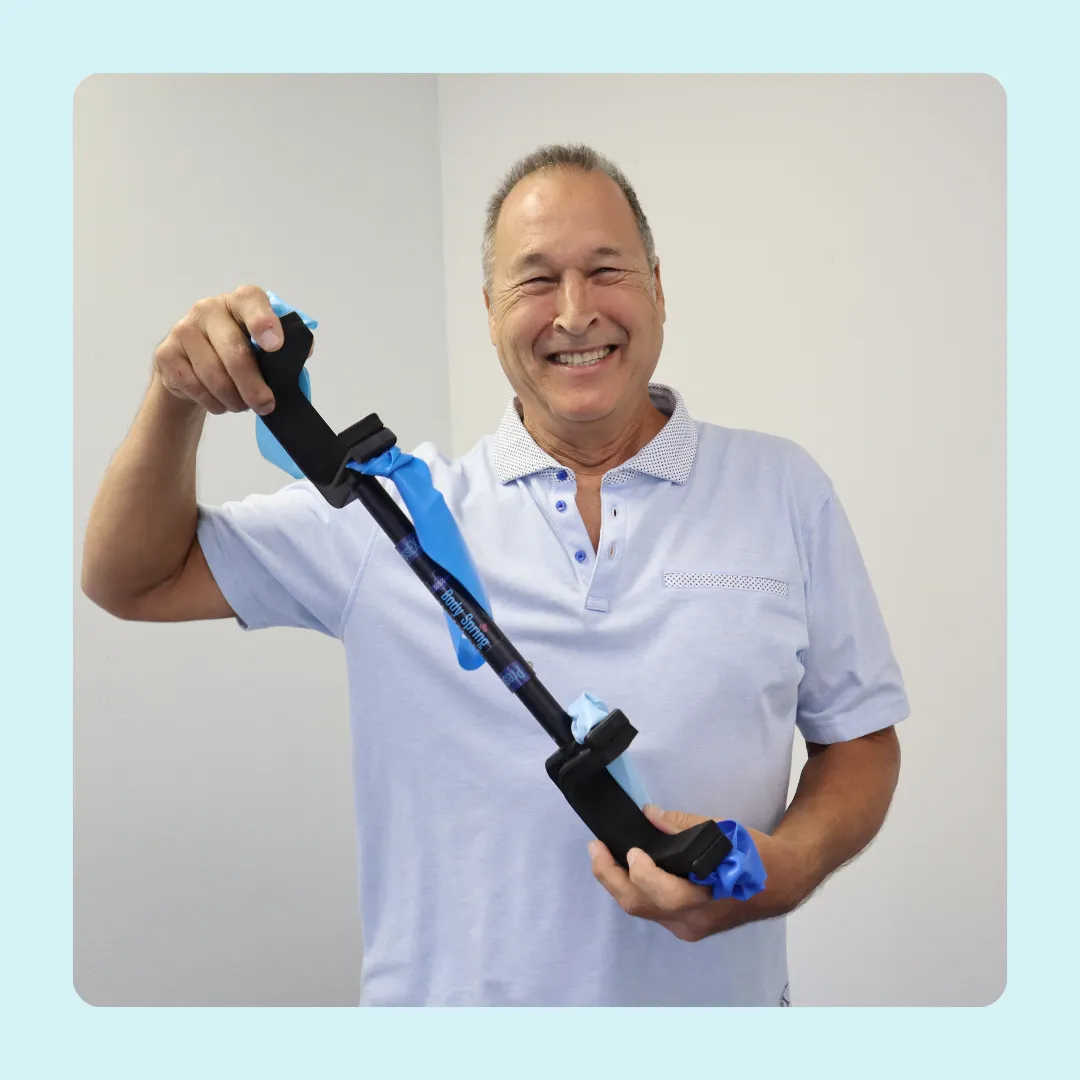
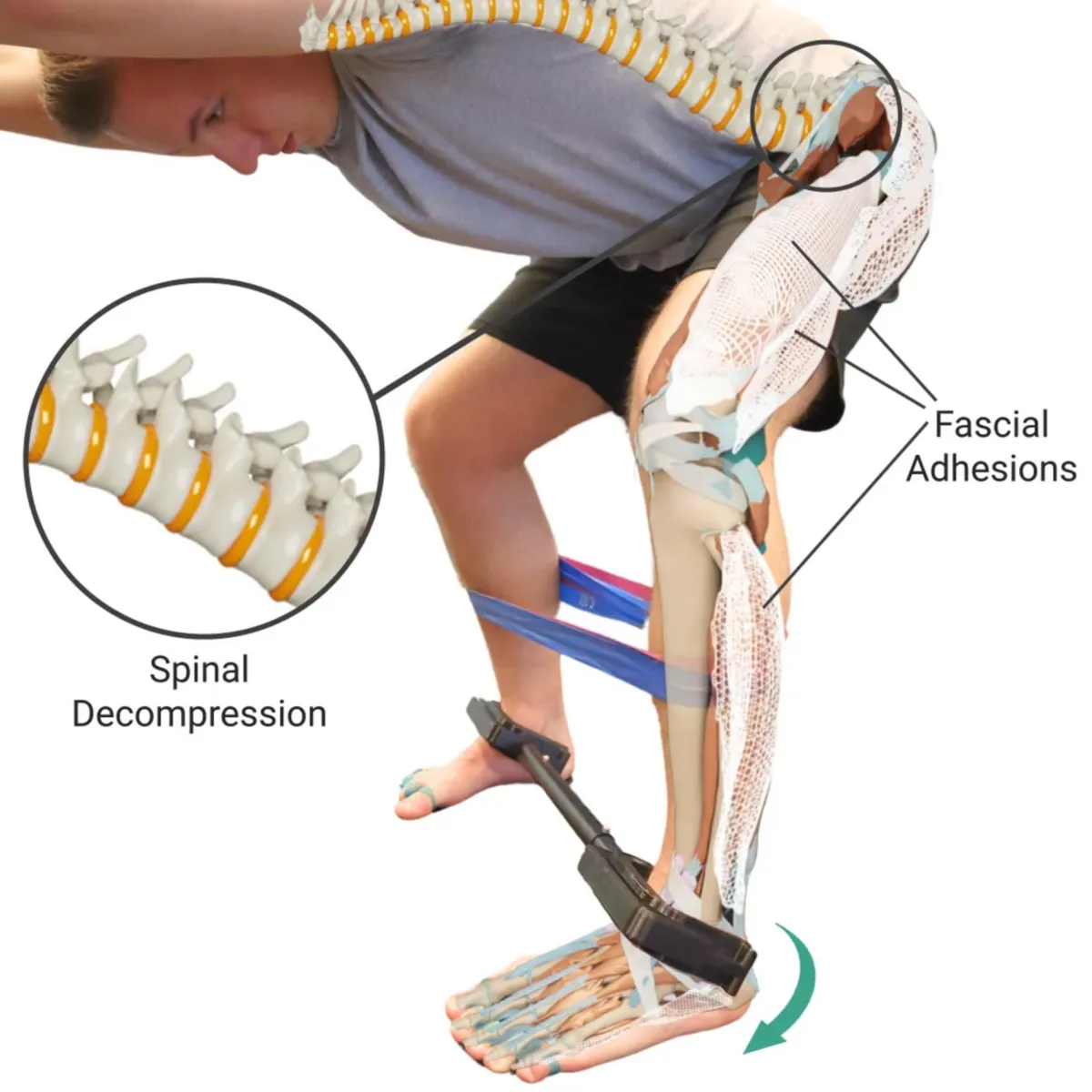
PressEX or “Pressure Exercise” is a movement method with patented equipment developed by Dr. Meena McCullough PT. It engages Force Transmission Pathways that activate the body’s connective tissue (fascia).
She developed this method based on well-known research in the field of biomechanics after earning her physical therapy degree and struggling to find relief from multiple injuries of her own.
PressEX actively engages muscles with the fascia to increase stability, mobility, balance, strength, and, in some cases, provide instant pain relief.
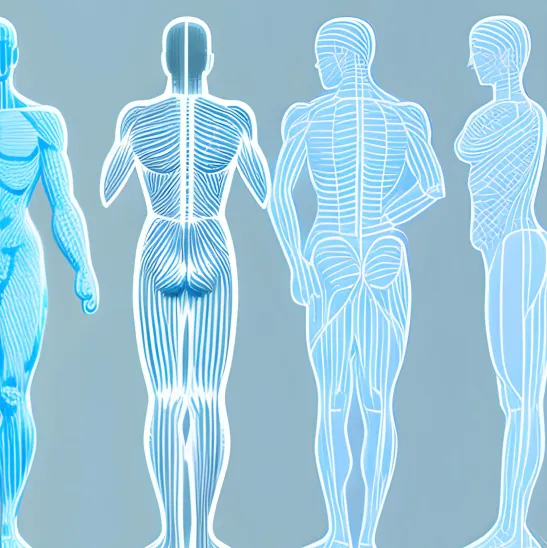
What is a Movement Method?
A Structured approach to improving physical movement, biomechanics, enhancing performance, and unlocking stiff body areas.
It involves principles, techniques, movement sequences, and equipment.
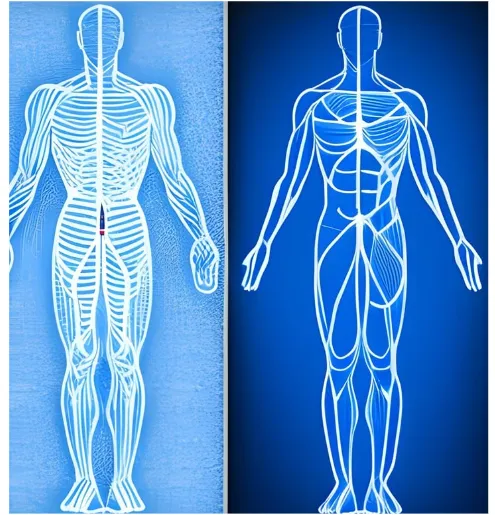
More About PressEX
Designed to Train your Body Like a Human Spring
1. Reflexology
Some Clients describe the PressEX Foot protocol like “foot reflexology, but for the muscles.”-- That’s because the basis for the method involves:
Fascial Stretch Position – The body is placed in a position that stretches the fascia.
Pressure Sensation – Users apply light pressure to the PressEX Bars using the body's built-in pressure sensors.
Opposing Force – Muscles engage with resistance in the opposite direction, increasing strength and activating fascia.
Nerve Activation – Peripheral nerve endings are stimulated to enhance effectiveness and create a “magical feeling” reported by some clients.
2. “Body Equations”
When working with biomechanics, we take into account the complex movements of the body and how each joint moves in relation to the others simultaneously.
To train effectively, we must integrate multiple movements in a coordinated manner.
Just like in algebra, where multiple variables add up to a solution, PressEX combines multiple steps that work together to achieve the desired result.
The PressEX Bars Work as a Tool to Carry out the Method
PressEX Bars are a powerful fitness tool that deliver effective results when used in combination with the PressEX (the method).
Foot & Ankle Stability Science
The subtalar joint plays a key role in transmitting force from the ground through the legs, hips, and spine.
When stiff or locked, it creates movement issues that cause pain. PressEX restores proper foot function, preventing injury and improving mobility.2 Column
Key Focus Areas:
Building the Arch – Strengthens both pronation (flattening) and supination (raising) for better balance.
Locking & Unlocking the Foot – Mobilizes foot joints for better force absorption and efficiency.
Subtalar Joint Mobility – Ensures smooth force transmission to reduce knee and hip pain.
The Result: Better foot and ankle stability means less strain on the knees, hips, and lower back—restoring natural movement patterns and preventing injuries.

Key Science Principles in the PressEX Method:
Active Engagement vs. Passive Techniques – Active muscle engagement releases fascia while building muscle memory for long-term mobility.
Ground Reaction Forces – PressEX harnesses forces from the ground to activate fascia from the feet up, improving movement efficiency.
PNF (Proprioceptive Neuromuscular Facilitation) – Uses tension and relaxation to improve flexibility and strength.
Resistive Exercises – Strengthens fascia while promoting muscle memory and tissue alignment.
Subtalar Joint Mobilization – Restores proper movement patterns from the feet up.
Reverse Windlass Mechanism – Strengthens pronation/supination of the foot for better balance, mobility, and force transmission
Research & Validation
Check out PressEX Medical Research
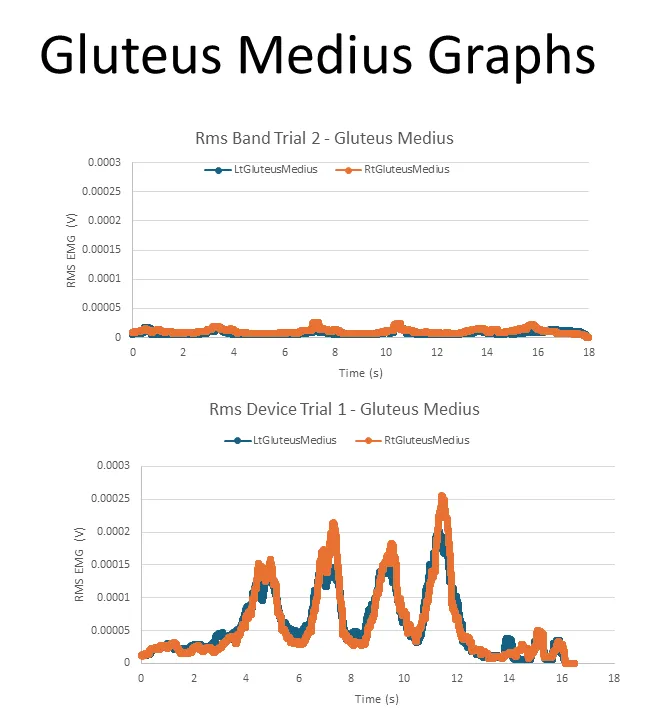
Dr. Meena McCullough’s study with the University of North Texas Health Science Center validates the effectiveness of PressEX.
The research focused on the Gluteus Medius, a crucial muscle for hip stability and movement efficiency.
The study shows 5x MORE Glute Activation when using the PressEX Method.
Key Findings:
5x More Muscle Activation – PressEX significantly increased gluteus medius engagement compared to traditional resistance bands.
Enhanced Neuromuscular Response – The PressEX Method facilitated greater activation of peripheral nerves, leading to improved movement patterns.
Immediate and Lasting Results – Clients report instant improvements in strength, flexibility, and pain relief.
Copyright 2026. Body Spring. All Rights Reserved.